When you’re comparing loan options, you’ll quickly run into two categories: secured and unsecured. The difference between them affects everything from your approval odds to your interest rate to what happens if you can’t make a payment. Understanding this distinction before you apply can save you from an unpleasant surprise later.
What Is a Secured Loan?
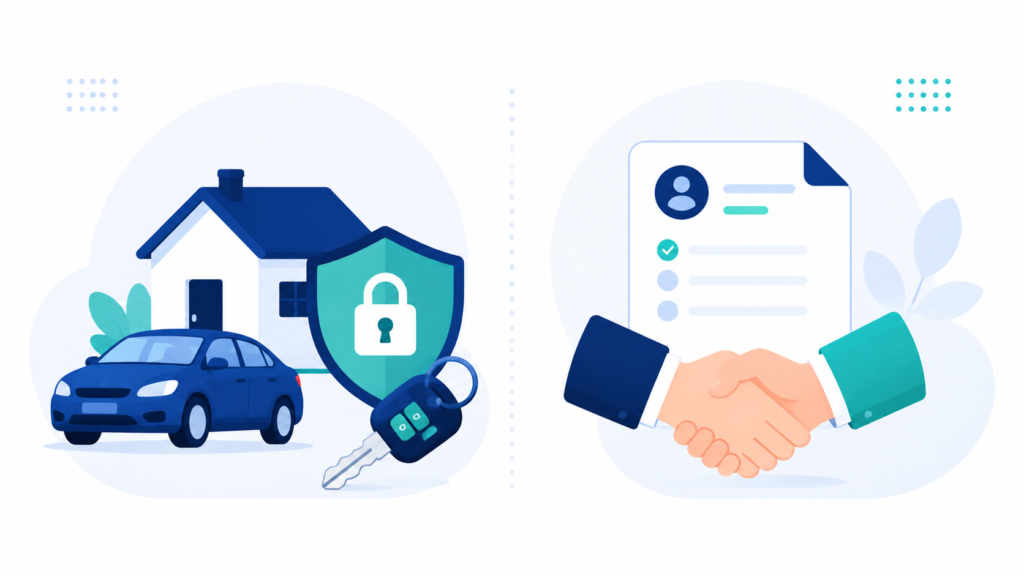
A secured loan is backed by collateral — an asset the lender can seize if you fail to repay. Common examples include:
- Mortgages (collateral: the home itself)
- Auto loans (collateral: the vehicle)
- Secured personal loans (collateral: a savings account, CD, or other asset)
- Home equity loans (collateral: equity in your home)
Because the lender has a fallback if you default, secured loans are generally easier to qualify for, especially with less-than-perfect credit, and typically come with lower interest rates.
What Is an Unsecured Loan?
An unsecured loan isn’t backed by any specific asset — the lender approves you based on your creditworthiness, income, and overall financial profile alone. Common examples include:
- Most personal loans
- Credit cards
- Student loans (federal loans in particular)
Since the lender is taking on more risk with nothing to repossess if you stop paying, unsecured loans typically carry higher interest rates and stricter credit requirements.
Key Differences at a Glance
- Approval odds: Secured loans are generally easier to qualify for, particularly with weaker credit.
- Interest rates: Secured loans usually offer lower rates due to reduced lender risk.
- Risk to you: Defaulting on a secured loan means losing the collateral (your car, savings, or home). Defaulting on an unsecured loan won’t cost you a specific asset, but it will severely damage your credit and can lead to collections or legal action.
- Loan amounts: Secured loans often allow for larger amounts, since the collateral backs the risk.
Which Should You Choose?
If you have strong credit and want to avoid risking an asset, an unsecured loan is usually the simpler, lower-risk choice — you’ll pay a bit more in interest, but nothing is on the line beyond your credit score if things go wrong.
If your credit needs work or you want a lower interest rate and have an asset you’re comfortable using as collateral, a secured loan can be a smart way to access better terms. This is especially relevant if you’re exploring options after reading our guide on getting a personal loan with bad credit, where secured loans are often one of the more accessible paths forward.
How This Applies to Debt Consolidation
Most debt consolidation loans are unsecured, which is worth knowing if you’re comparing them to other options. If you’re considering consolidating multiple debts, our complete guide to debt consolidation loans walks through how these unsecured loans typically work, and our guide on how debt consolidation affects your credit score explains what to expect afterward.
A Word of Caution on Secured Debt Consolidation
Some lenders offer secured consolidation loans using your home as collateral (sometimes marketed as a home equity loan or HELOC used for debt payoff). While the rates can be attractive, converting unsecured credit card debt into a loan secured by your home means a missed payment could put your house at risk — a tradeoff worth thinking through carefully before signing.
Checking Your Credit Before You Decide
Whichever type you’re leaning toward, it’s worth knowing exactly where your credit stands first. See our guides on reading and understanding your credit report and improving your credit score before applying for a loan to put yourself in the strongest possible position. And if you’re carrying an older negative mark, it’s worth checking how long negative information stays on your credit report — it may be closer to falling off than you think.
The Bottom Line
Secured loans trade risk to your assets for better rates and easier approval; unsecured loans trade higher rates for the safety of not putting a specific asset on the line. Neither option is universally “better” — the right choice depends on your credit profile, what you’re comfortable risking, and how much you’re borrowing. If you’re weighing this decision as part of a larger debt payoff plan, our comparison of the debt snowball vs. debt avalanche methods can help you think through the bigger picture too.
Pingback: How to Negotiate a Lower Interest Rate on Your Debt - BlurbMoney