Bad credit makes borrowing harder, but it doesn’t close every door. Lenders who work with lower credit scores exist — you just need to know where to look, what to expect, and how to avoid predatory terms that can make a tough situation worse.
What Counts as “Bad Credit”?
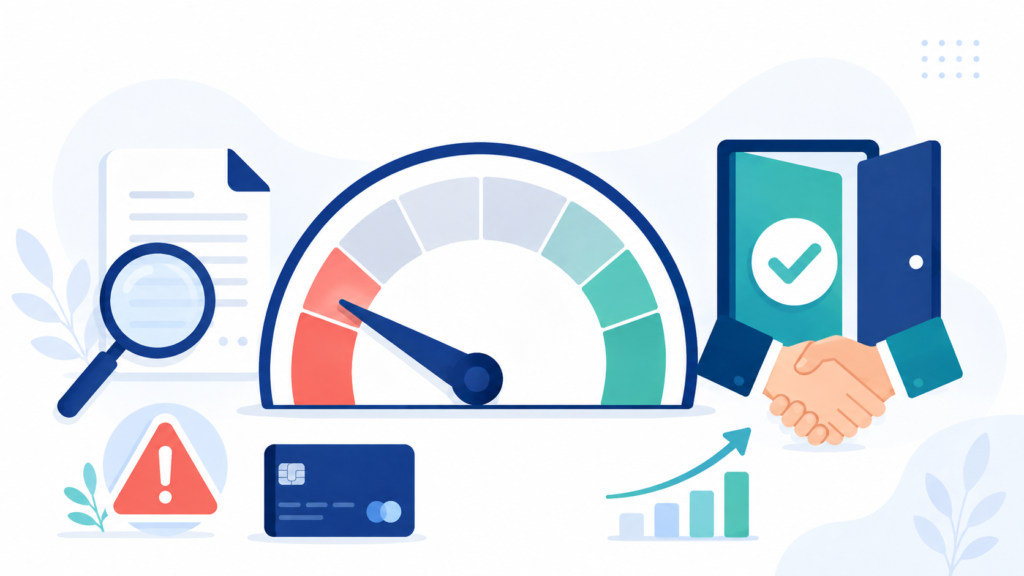
Most lenders consider a FICO score below 580 to be poor, and scores between 580-669 as fair. If you fall into either range, you’ll likely face higher interest rates and fewer lender options than someone with a “good” or “excellent” score — but approval is still realistic for many borrowers.
1. Check Your Credit Report First
Before applying anywhere, pull your credit report and confirm there are no errors dragging your score down unnecessarily. Even fixing one incorrect late payment can move you into a better lending tier. For a deeper walkthrough, see our guide on improving your credit score before applying for a loan.
2. Look at Credit Unions Before Banks
Credit unions are often more flexible with bad-credit borrowers than traditional banks, partly because they’re member-owned and not purely profit-driven. If you’re already a member somewhere, that’s usually your first and best call.
3. Consider Online Lenders Built for Bad Credit
A number of online lenders specifically underwrite for lower credit scores, using alternative data (like bank account history or income stability) alongside your credit score. Approval odds are generally higher here than at a traditional bank, though rates will reflect the added risk the lender is taking on.
4. Get a Co-Signer If You Can
Adding a co-signer with strong credit can significantly improve your approval odds and lower your interest rate, since the lender now has two people responsible for repayment. This only works if you trust the relationship and are confident you can make payments — missed payments affect both of your credit scores.
5. Look Into Secured Personal Loans
A secured loan requires collateral — a savings account, CD, or vehicle, for example. Because the lender has less risk, secured loans are typically easier to qualify for and carry lower rates than unsecured options, even with bad credit. The tradeoff is that you risk losing the collateral if you default.
6. Watch Out for Predatory Lenders
Bad credit makes you a target for lenders charging extremely high APRs, hidden fees, or aggressive repayment terms — payday loans being the most common example. Before signing anything, check:
- The full APR, not just a monthly payment figure
- Whether there’s a prepayment penalty
- Whether the lender is registered and reviews are legitimate
If a loan feels rushed or too good to be true, it’s worth walking away and comparing at least two or three other options first.
7. Consider a Smaller Loan or Credit-Builder Loan First
If you’re struggling to get approved at all, a smaller credit-builder loan can help establish a positive payment history, making it easier to qualify for a larger personal loan down the line.
Should You Consolidate Instead?
If your goal is managing multiple existing debts rather than borrowing something new, it may be worth comparing this against a debt consolidation loan, which can sometimes be easier to qualify for than a fresh personal loan, depending on your existing accounts. And if you’re already paying down multiple balances, choosing the right payoff strategy matters too — see our comparison of the debt snowball vs. debt avalanche methods.
The Bottom Line
Bad credit limits your options, but it doesn’t eliminate them. Taking a few weeks to shop around, compare real APRs (not just advertised rates), and avoid high-pressure lenders will put you in a much stronger position than accepting the first offer you receive.
Pingback: How to Read and Understand Your Credit Report - BlurbMoney
Pingback: Secured vs. Unsecured Loans: What's the Difference? - BlurbMoney
Pingback: Personal Loan vs. Credit Card: Which Is Better for Debt Payoff? - BlurbMoney
Pingback: How Debt Consolidation Affects Your Credit Score - BlurbMoney
Pingback: How Long Does Negative Info Stay on Your Credit Report? - BlurbMoney